
One of the most common concerns couples have is the gap between ceremony and reception.
“Will guests get bored?”
“Is it rude to have a break?”
“What if photos take too long?”
It’s absolutely thoughtful to consider your guests’ time. But it’s also important to know this: a break between ceremony and reception is completely normal. Most guests expect it. The key isn’t eliminating the gap entirely — it’s managing it well.
First, Don’t Panic About a Short Break
A transition period between ceremony and reception is customary. Guests understand that family photos happen. They understand that you’ll be taking portraits. They’re not expecting dinner to be served five minutes after you walk back down the aisle.
A good rule of thumb is to keep it within reason. In most cases, no more than about two hours from the start of the ceremony to the time dinner begins is ideal. That allows for photos, transitions, and a natural flow without stretching patience.
If you anticipate a longer gap because of photos or logistics, that’s when you want to intentionally plan for guest comfort.
Feed People So No One Gets Hangry
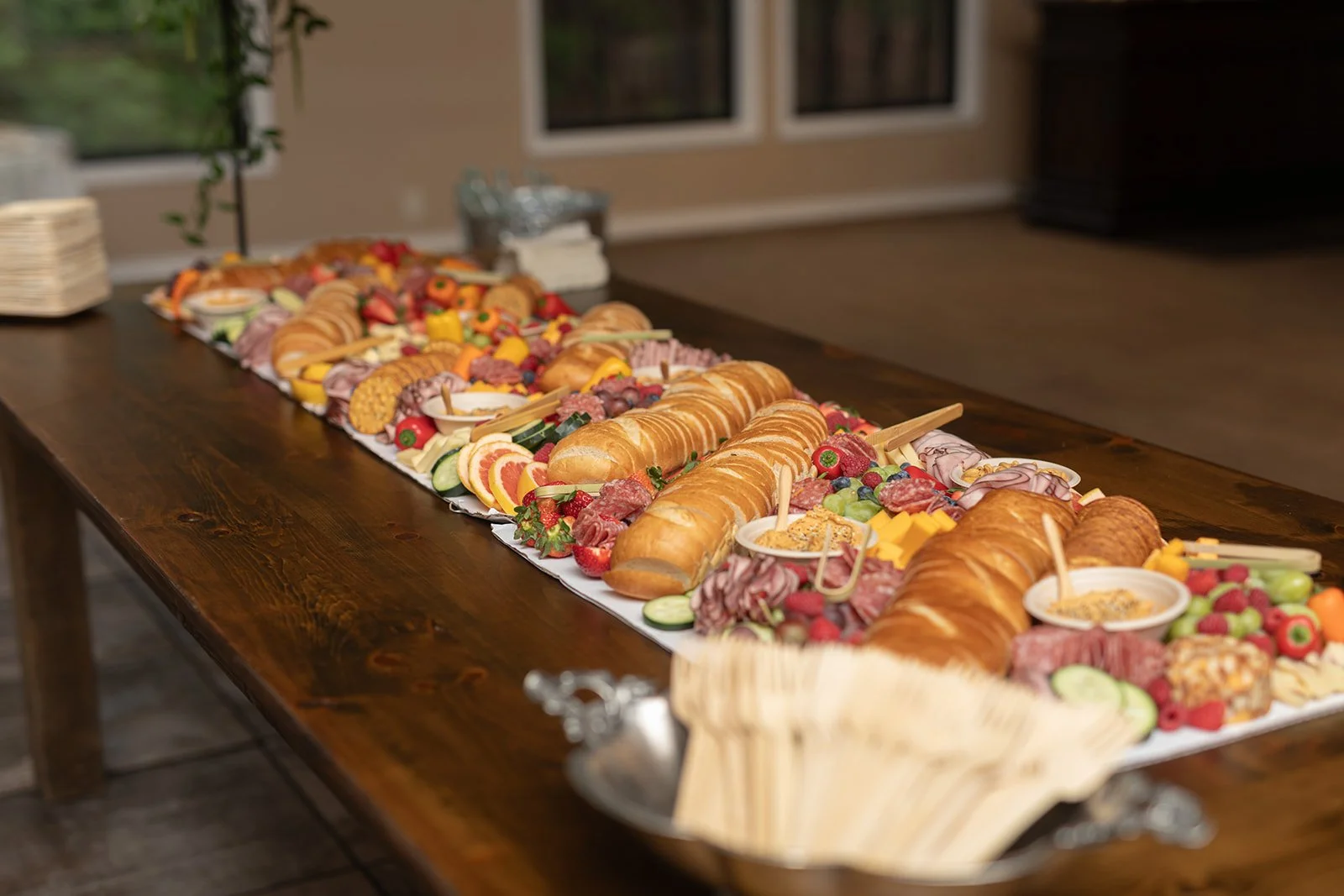
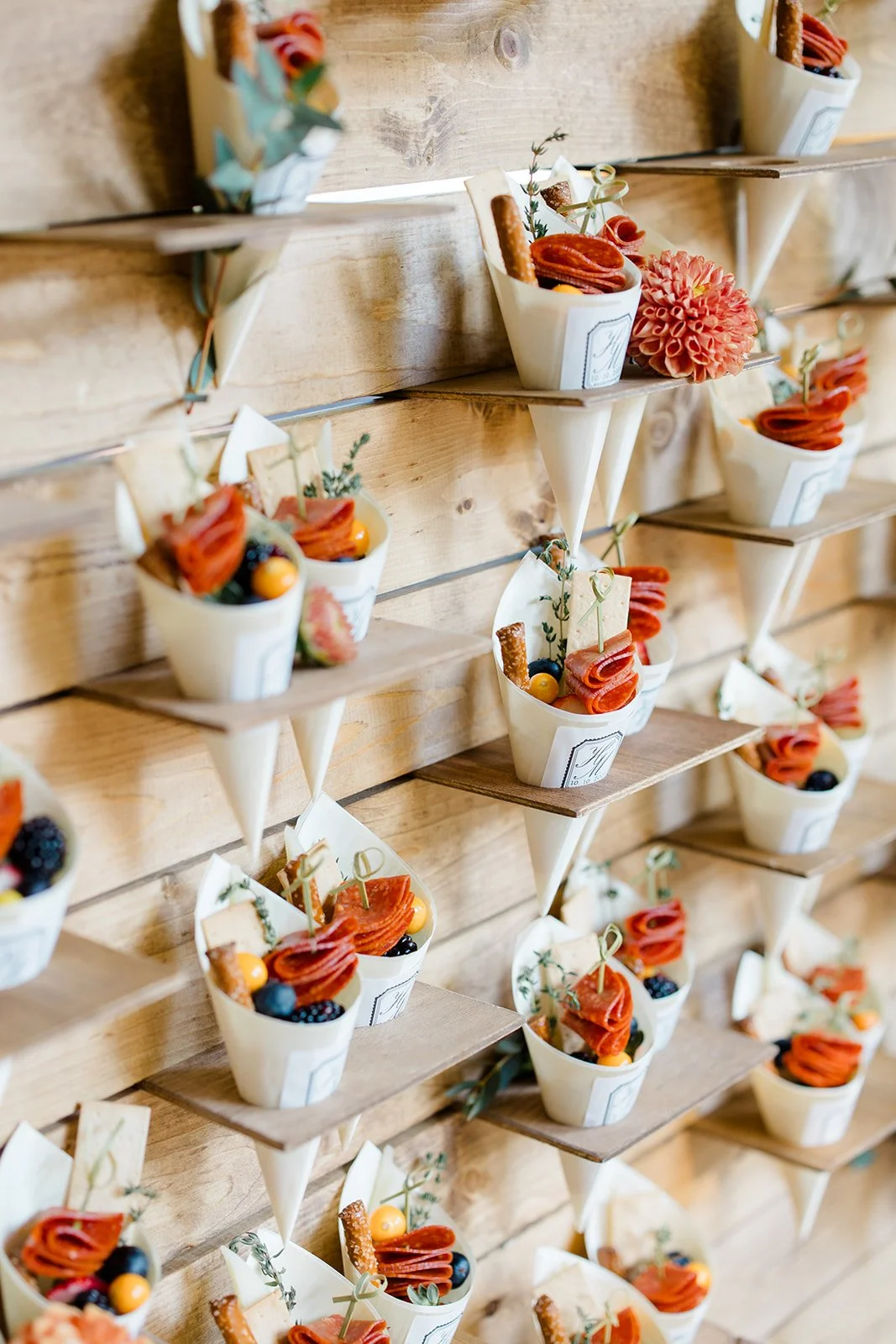
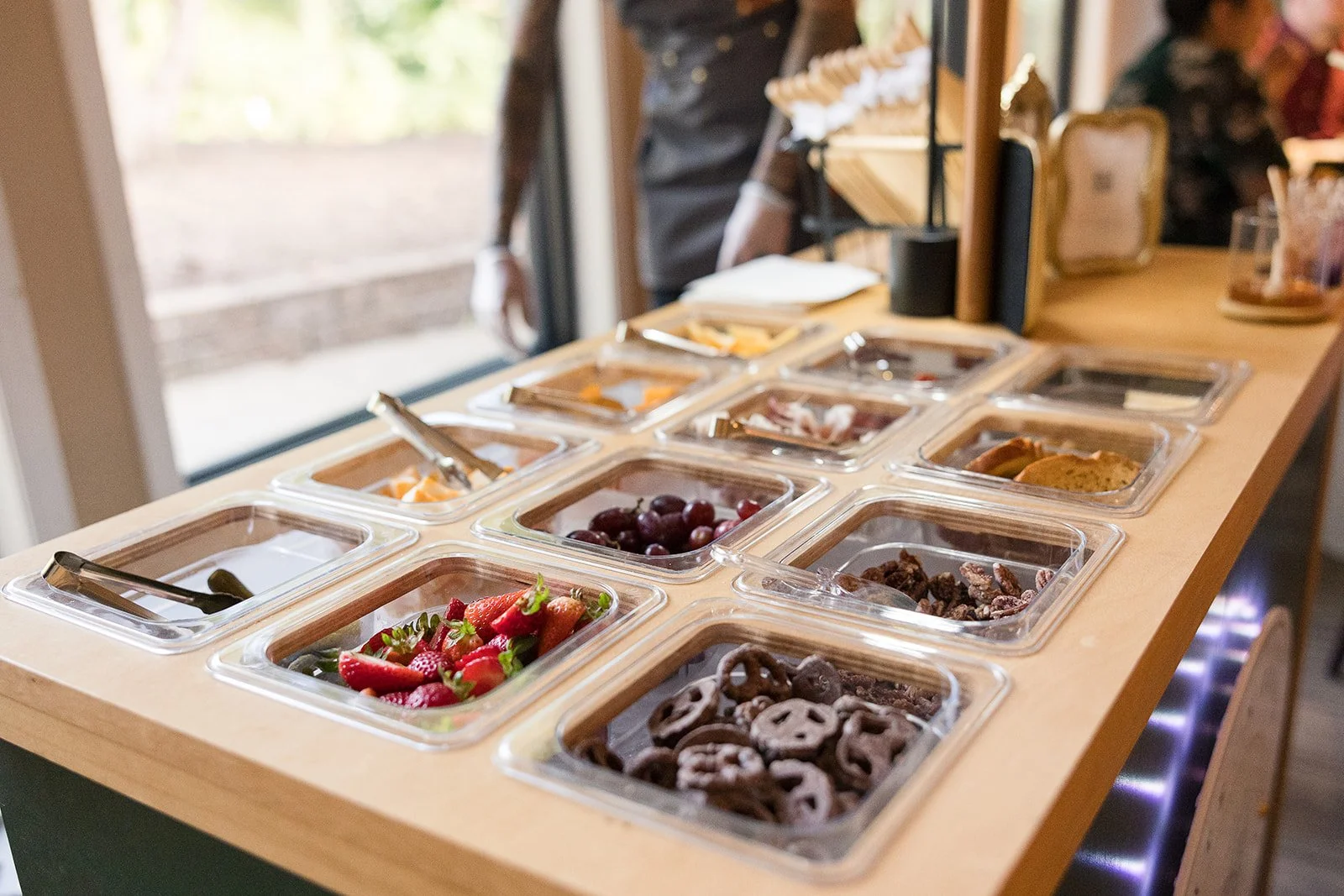
Food solves most problems. If there will be more than a brief cocktail window before dinner, providing appetizers is one of the easiest ways to keep the mood upbeat. Even light hors d’oeuvres make a difference. Guests who are snacking and sipping drinks feel relaxed. Guests who are hungry feel impatient. You don’t need a full second meal. You just need something thoughtful and accessible. Food communicates hospitality. And hospitality keeps energy positive.
Create Natural Gathering Spaces
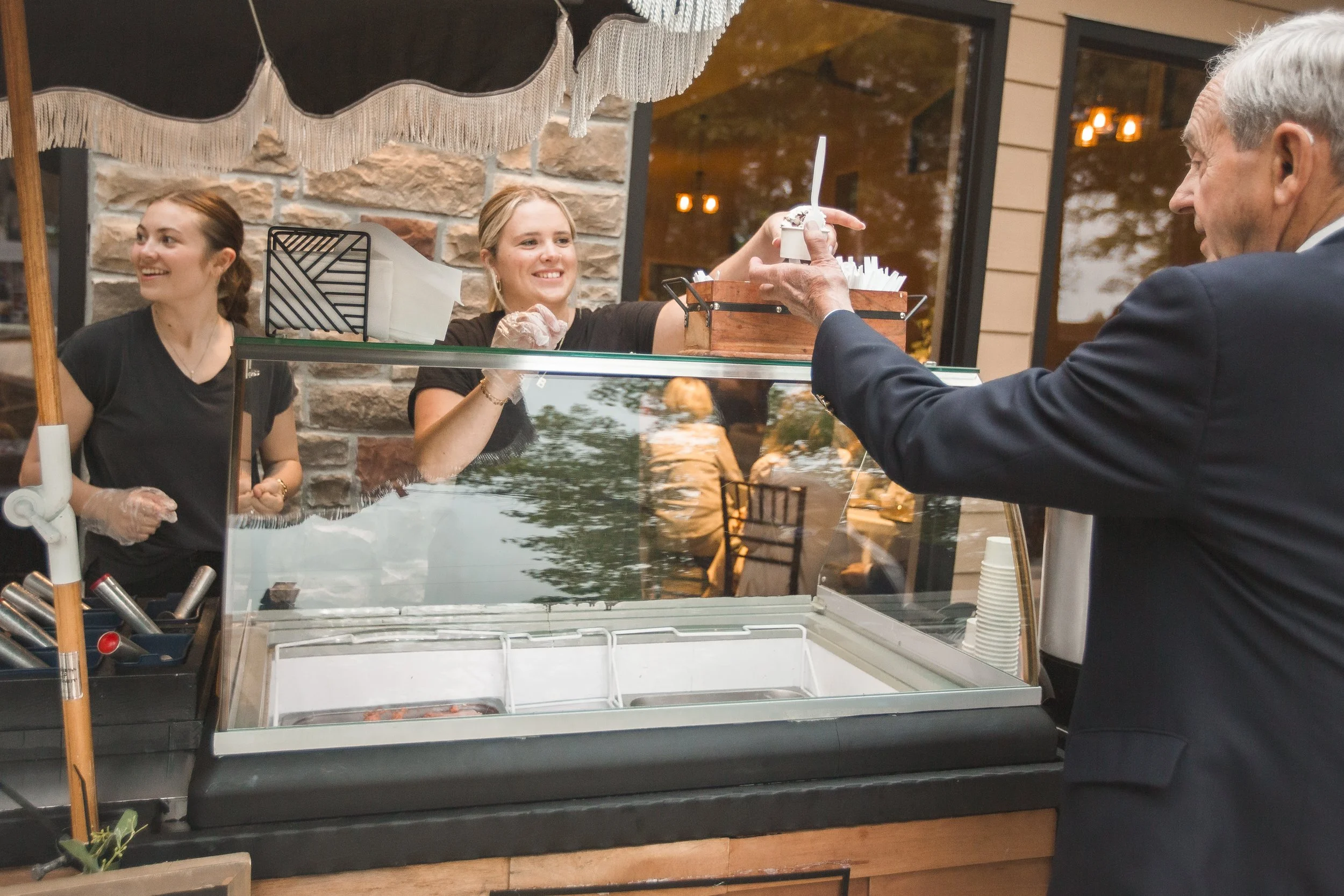
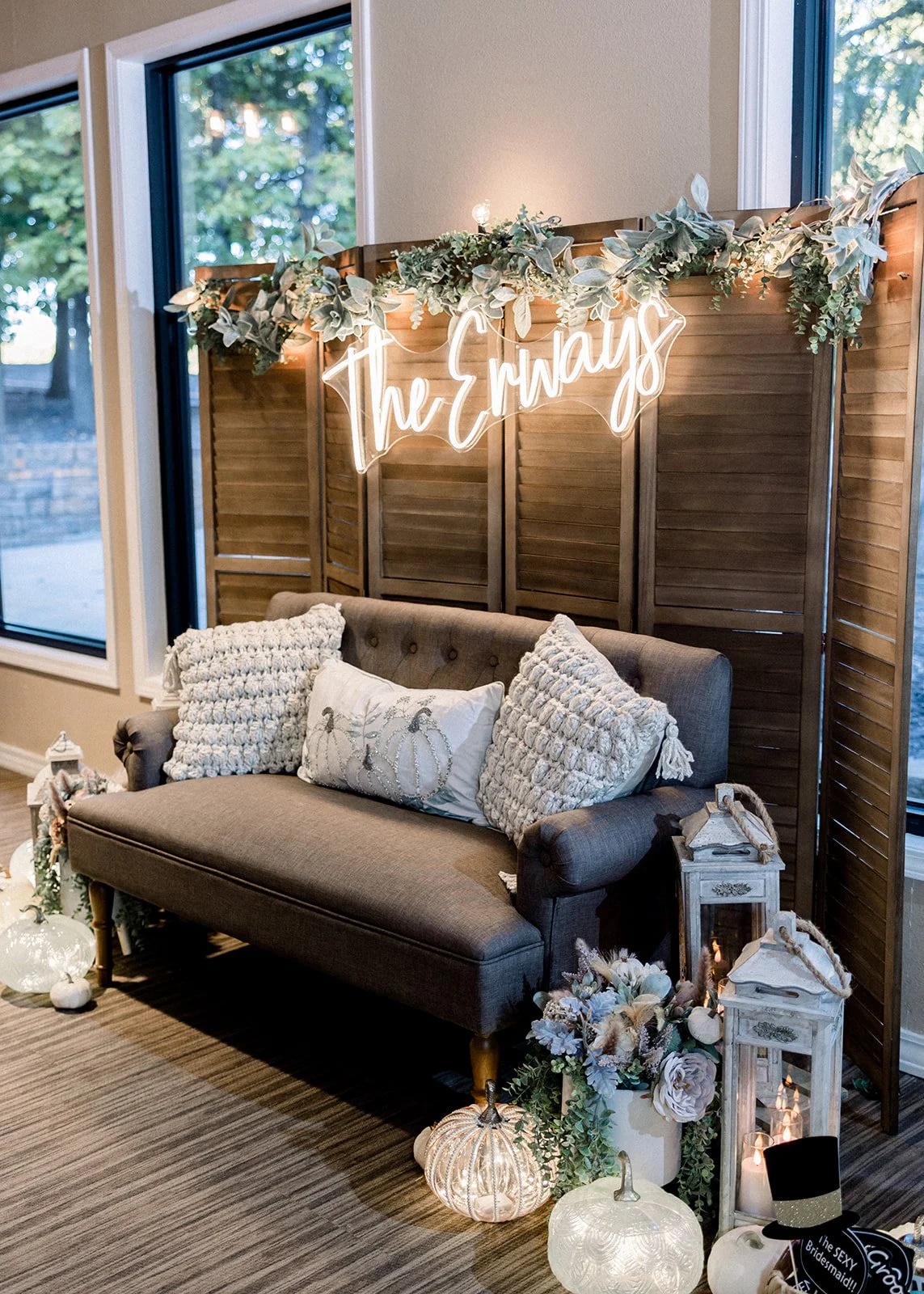
The transition between ceremony and reception is less about “filling time” and more about giving guests something comfortable to do. Drinks are an obvious option. A cocktail hour atmosphere gives people a reason to mingle and move. It keeps them engaged rather than standing awkwardly waiting. Specialty stands can also elevate this time in a fun way. Think about a coffee cart, an ice cream cart, Italian sodas, or even a simple lemonade station in warmer months. These touches feel interactive without requiring a huge production. They also give guests something to talk about, which naturally fills space.
Consider Light Activities
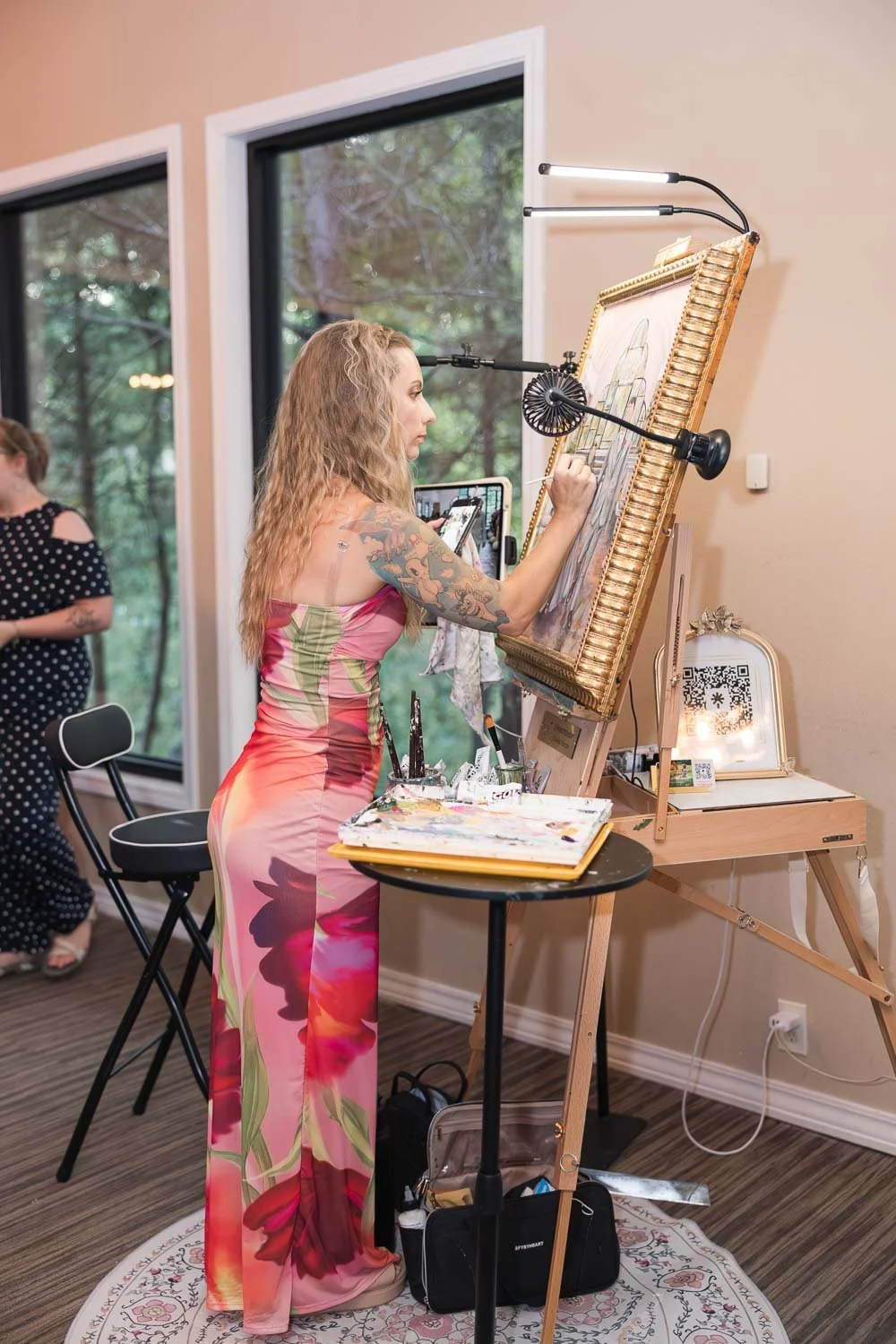
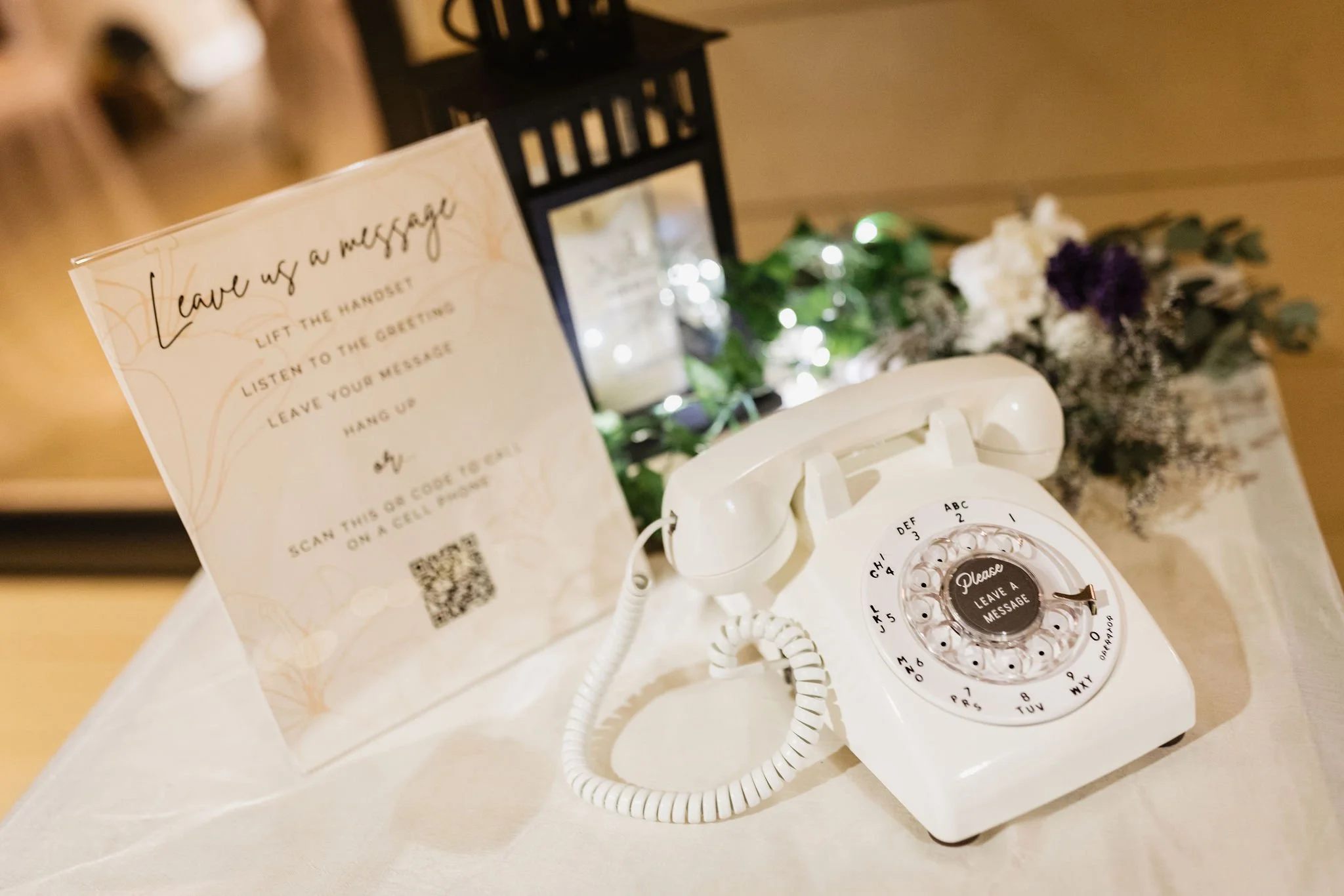
Some couples choose to add subtle activities during the transition. Occasionally a DJ may lead a lighthearted game or interactive moment. Others set out lawn games if weather allows. Even a well-curated playlist can shift the atmosphere from “waiting” to “celebrating.” The goal isn’t to entertain like a carnival. It’s simply to create momentum. When guests feel like they’re part of an experience rather than in a holding pattern, the time passes quickly.
Keep the Big Picture in Mind
While guest comfort matters, don’t forget something important: your wedding day is not unusual in having a brief pause between ceremony and reception. Most guests are accustomed to it. They plan for it. If your ceremony begins at 4:00 and dinner begins at 6:00, that is entirely reasonable. What makes the difference is communication and hospitality. If you build your timeline thoughtfully, provide food and drinks when needed, and create a welcoming transition space, that in-between period becomes part of the celebration rather than an inconvenience.
At the End of the Day
The ceremony-to-reception gap doesn’t need to be stressful. It just needs intention. Keep it under control timeline-wise. Feed your guests. Give them something to sip, snack on, or enjoy. And trust that most people understand weddings don’t run back-to-back without breathing room. When the flow is handled well, no one remembers “the wait.” They remember the celebration.